
Modular Construction Built for Certainty
ABSI delivers steel-framed modular systems that compress schedules, reduce site disruption, and improve quality through factory-controlled production. From panels and PODs to volumetric modules, our approach gives developers, builders, and homeowners a more predictable path from design through delivery.
Overview
Buildings Manufactured With Intent.
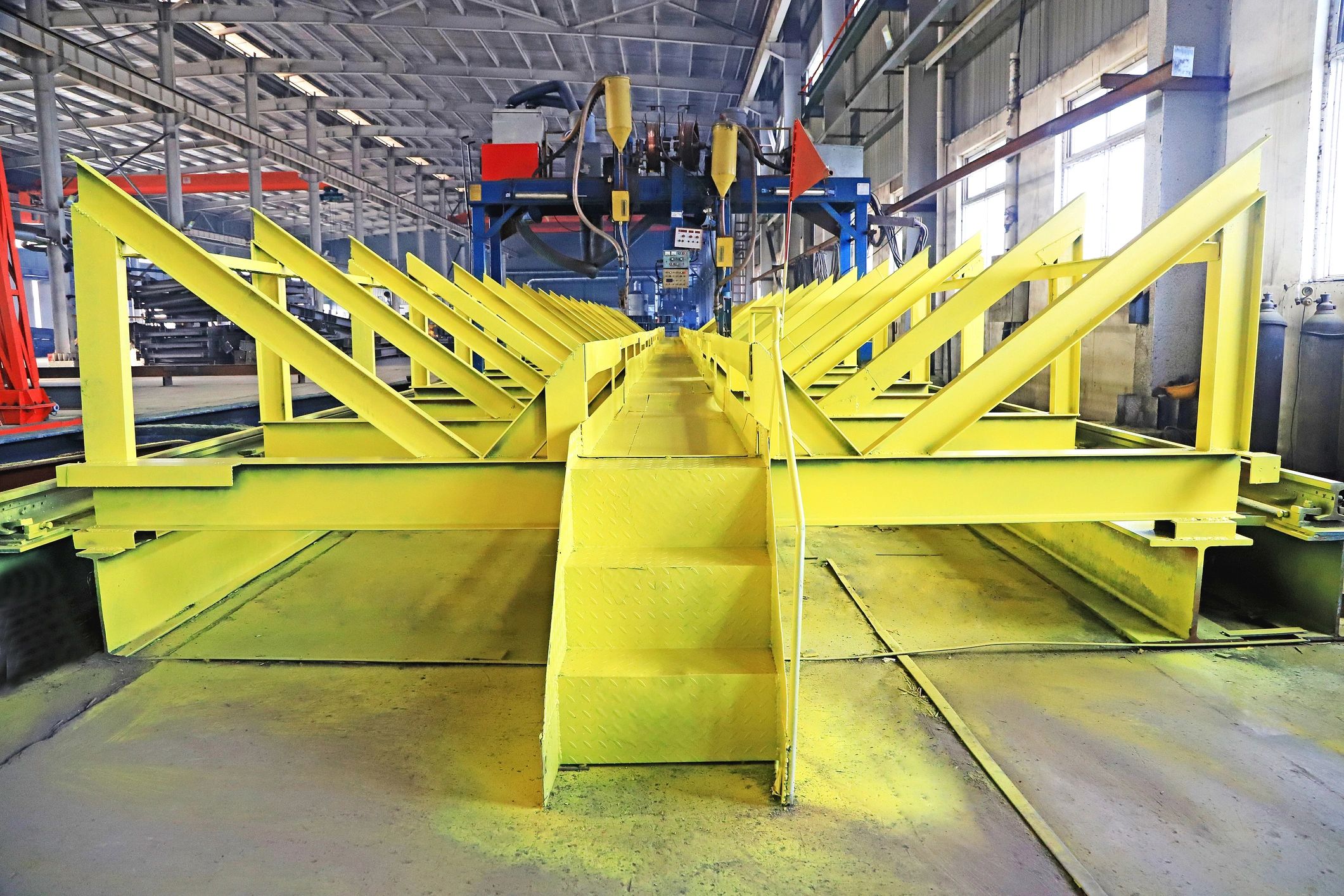
Modular construction shifts major portions of the building process from the job site into a controlled manufacturing environment. Structural components — and in many cases fully finished rooms — are produced with repeatable precision, then delivered to the site for assembly. The strategic advantage is simple: when more work happens in a controlled environment, quality improves, schedules tighten, and risk becomes easier to manage.
Modular is not one product or one method. It operates across a spectrum, from prefabricated wall panels to non-structural PODs to fully finished volumetric modules set by crane. ABSI works across that spectrum, allowing the delivery model to match the project, the budget, and the speed required.
Why It Matters
Why Construction Is Moving Off Site.
Traditional construction still depends on fragmented supply chains, weather exposure, labor volatility, and on-site sequencing that leaves little room for error. Those constraints slow delivery, increase variability, and make cost control harder than it should be.
Modular construction addresses those constraints by changing where the work happens. In a controlled factory environment, conditions are stable, materials are precise, and production can be standardized and repeated. The result is a building process that is faster, cleaner, and more dependable than conventional site-built delivery.
Benefits
Why Owners and Builders Are Shifting to Modular.
1. Predictable Delivery
Factory production reduces the variability that disrupts traditional jobsites. Weather exposure drops, sequencing improves, and production follows a repeatable process that supports more reliable schedules.
2. Safer Working Conditions
Off-site production reduces many of the hazards common to active jobsites. Teams work in a controlled environment with better access, fewer weather-related risks, and more consistent quality oversight.
3. Lower Waste
Manufacturing environments support tighter material control, cleaner workflows, and less waste. Combined with steel framing, modular delivery helps reduce jobsite inefficiency while supporting more sustainable construction outcomes.
4. Reduced On-Site Labor
By shifting major scopes into the factory, modular construction can significantly reduce on-site labor demand. That helps projects move forward with smaller field crews and less exposure to labor shortages.
5. Better Labor Efficiency
Standardized production improves repeatability and makes labor more efficient across the build cycle. Factory workflows, pre-coordinated assemblies, and cleaner field installation all support faster execution.
6. Less Site Disruption
Because more work is completed before materials reach the site, installation is faster and cleaner. That means fewer deliveries, less neighborhood disruption, and a shorter on-site construction window.
Comparison
How Modular Changes the Schedule.
Traditional Stick-Built
Typical single-family home
- Site prep
- Foundation
- Framing on site (6–10 weeks)
- Dry-in
- Trades on site sequentially
- Finishes
- Inspection
- Punch list
- Move-in
Total: Often 6–9 months, with schedule exposure to weather, trade coordination, and site conditions.
ABSI Modular
Same home, panel and POD system
- Factory production of panels and PODs begins as foundation is poured
- Parallel, not sequential, delivery model
- On-site assembly: days, not weeks
- Trades work on a perfect frame with pre-installed PODs
Total: Often 2–4 months, with factory production and site work advancing in parallel.
Best Fit
Where Modular Delivers the Most Value.
Modular construction creates the greatest advantage where speed, repeatability, and scale matter most. ABSI is especially well suited for multi-family developments, hospitality, student housing, workforce housing, and zero-energy residential communities where a coordinated system can be manufactured efficiently and deployed with consistency.
That same logic also benefits custom homes, ADUs, and specialized commercial projects. The core value remains the same: better quality control, less site disruption, and a more dependable path to completion.
FAQ
Common Misconceptions
“Is modular lower quality?”
No. Modern modular construction is engineered, code-compliant, and manufactured under controlled conditions that support tighter tolerances and more consistent quality than many site-built projects.
“Do modular buildings all look the same?”
No. Modular affects how the building is delivered, not the architectural expression. ABSI systems can support a wide range of layouts, finishes, and exterior design approaches.
“Can modular scale for larger projects?”
Yes. Modular is particularly effective for repeatable building types and larger programs where manufacturing efficiency, schedule compression, and coordinated delivery create meaningful value.
“Is modular more expensive?”
Not when evaluated strategically. Total project value should account for schedule savings, reduced site labor, lower waste, and less exposure to delays and rework.